
There’s a reason Persian Noodle Soup—also known as Ash Reshteh—is one of the most beloved dishes in Iranian cuisine. It’s not just a soup; it’s a celebration in a bowl. Packed with lentils, beans, greens, and noodles, it represents nourishment, unity, and balance.
Every spoonful bursts with flavor—earthy, herbal, tangy, and warm. Whether served for Nowruz (Persian New Year) or on a cozy winter evening, it’s the kind of meal that feeds both body and soul.
Table of Contents
Why you’ll love this Persian Noodle Soup
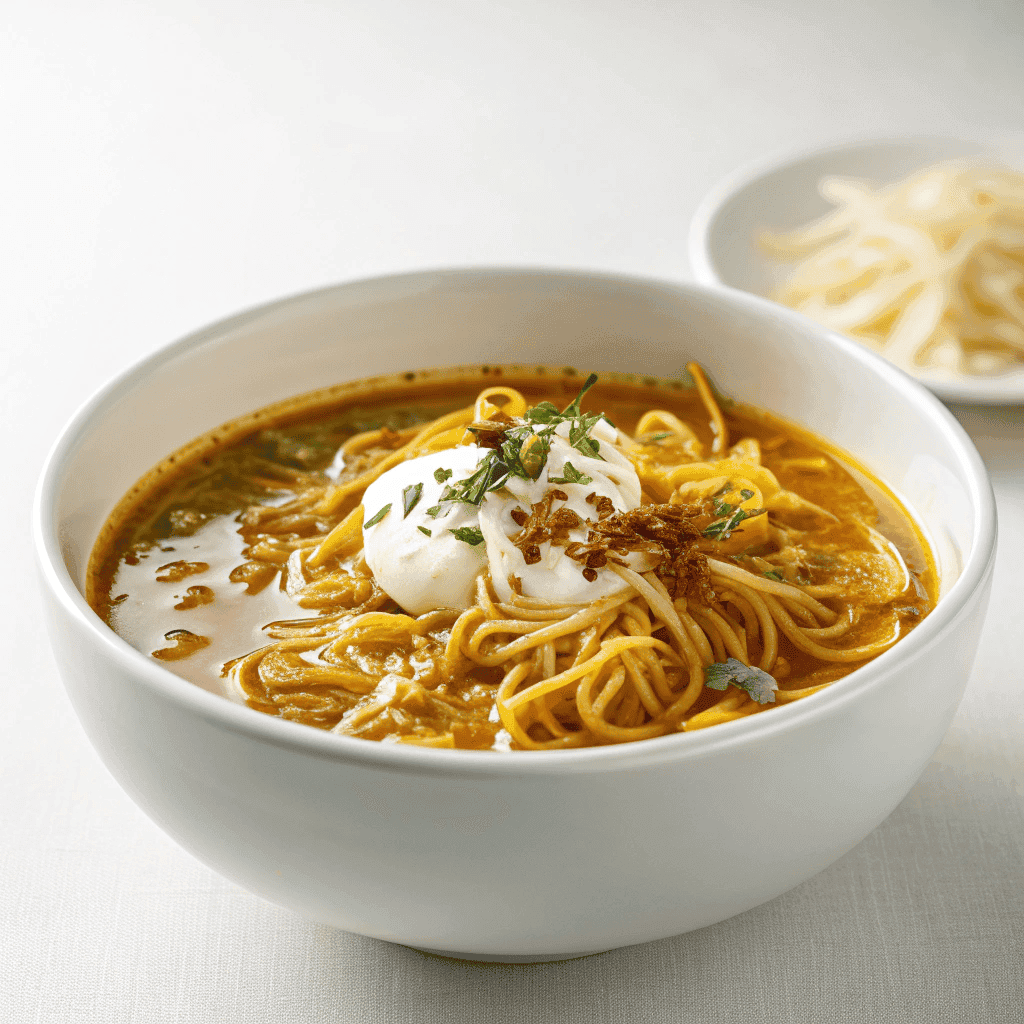
This recipe brings authentic Persian warmth into your kitchen with minimal effort.
- Hearty, wholesome, and packed with plant-based protein
- Naturally vegan-friendly (or easily made vegetarian)
- Rich with Mediterranean-style herbs and spices
- Balanced textures—tender noodles, creamy beans, and soft greens
- Great for make-ahead meals or freezer prep
- A stunning dish to share during family gatherings
The first time I made this dish, I was drawn in by its vibrant colors and aromas. It reminded me of my time developing Mediterranean-inspired recipes like my Greek Chicken Bowls—both dishes rely on fresh herbs, simple ingredients, and a touch of tradition to make something unforgettable.
Ingredients you’ll need
This soup may look complex, but it’s built from everyday ingredients that work beautifully together.
Main Ingredients
- 2 tablespoons olive oil – for sautéing the aromatics
- 1 large onion, diced – savory sweetness as the flavor base
- 4 cloves garlic, minced – essential depth and aroma
- 1 teaspoon turmeric – golden color and subtle spice
- 6 cups vegetable broth – flavorful liquid foundation
- 1 cup lentils, rinsed – hearty protein and body
- 1 cup chickpeas, cooked – nutty texture
- 1 cup navy beans, cooked – creamy addition
- 1 cup kidney beans, cooked – rich and earthy tone
- ½ pound Persian noodles or linguine – chewy, filling base
- 3 cups spinach, chopped – adds freshness
- 1 cup cilantro, chopped – vibrant herbal note
- 1 cup parsley, chopped – classic Persian flavor
- 1 cup dill, chopped – aromatic and slightly tangy
- Salt and pepper to taste – to balance the spices
- Sour cream or yogurt – creamy topping
- Fried onions – for crunch and garnish
Optional Add-ons or Substitutes
- Substitute linguine for Persian noodles if unavailable.
- Add a pinch of cayenne or chili flakes for mild heat.
- Replace spinach with kale or Swiss chard for a heartier texture.
- Use Greek yogurt instead of sour cream for tang.
- Add a drizzle of olive oil for extra richness.
Step-by-step instructions
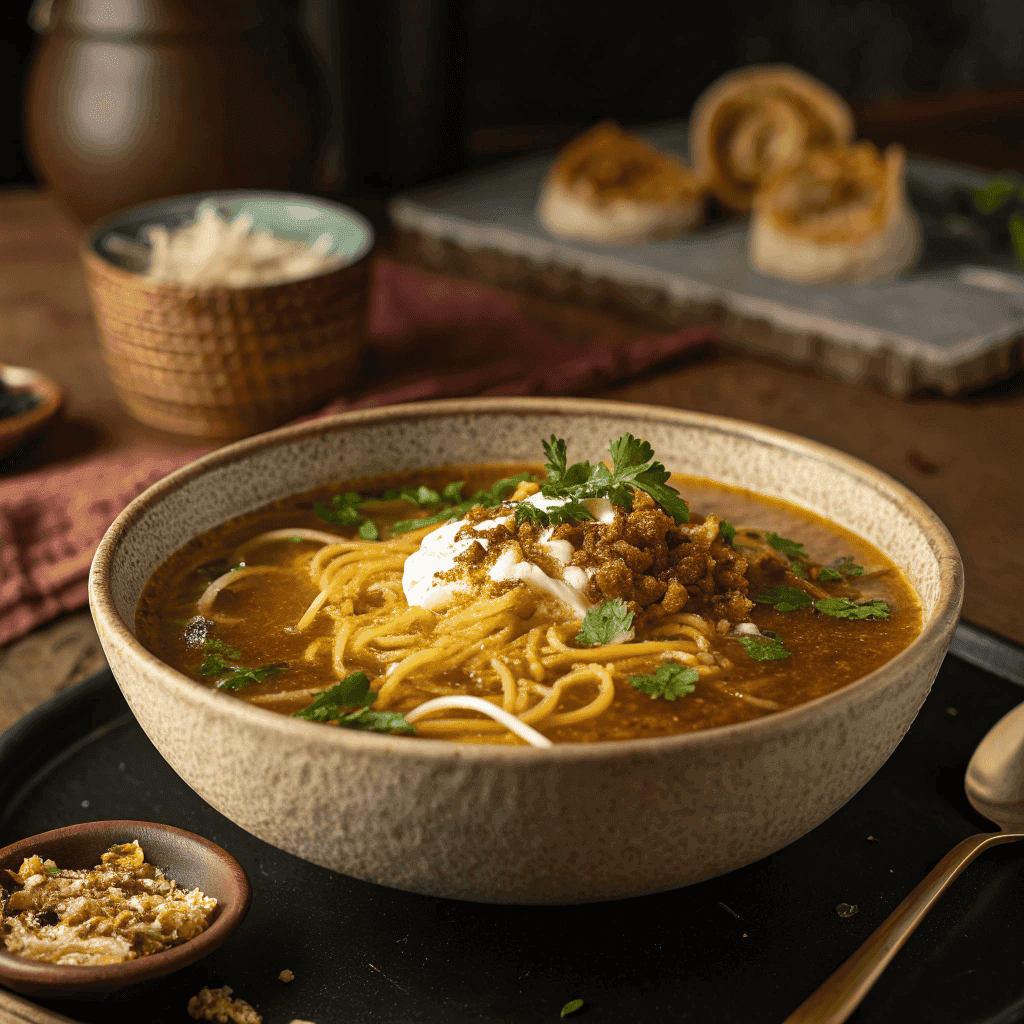
This soup comes together through slow layering of ingredients—each step builds complexity.
- Sauté aromatics: Heat olive oil in a large pot over medium heat. Add diced onion and sauté for 5–6 minutes until golden and translucent.
- Add garlic and turmeric: Stir in garlic and turmeric, cooking for another minute until fragrant.
- Add lentils and broth: Add lentils and vegetable broth. Bring to a simmer and cook for about 20 minutes until lentils begin to soften.
- Add cooked beans: Stir in chickpeas, navy beans, and kidney beans. Continue simmering for another 10 minutes.
- Add noodles: Break noodles into halves and add to the pot. Simmer for 8–10 minutes until noodles are tender.
- Stir in herbs and greens: Add spinach, cilantro, parsley, and dill. Simmer for 5 minutes until the greens are wilted but still vibrant.
- Season and serve: Add salt, pepper, and adjust the flavor with a squeeze of lemon or a dollop of yogurt. Top with fried onions and fresh herbs.
Quick reminders:
- Use cooked beans to save time; canned beans work great when drained and rinsed.
- Don’t overcook the herbs—they should stay green and aromatic.
- Taste as you go; this soup relies on perfect seasoning.
- The turmeric base gives both color and flavor—let it bloom fully in the oil.
The slow, layered process is similar to how I prepare my Hearty Minestrone Soup: each ingredient adds another story to the broth, creating something greater than the sum of its parts.
Expert tips for success
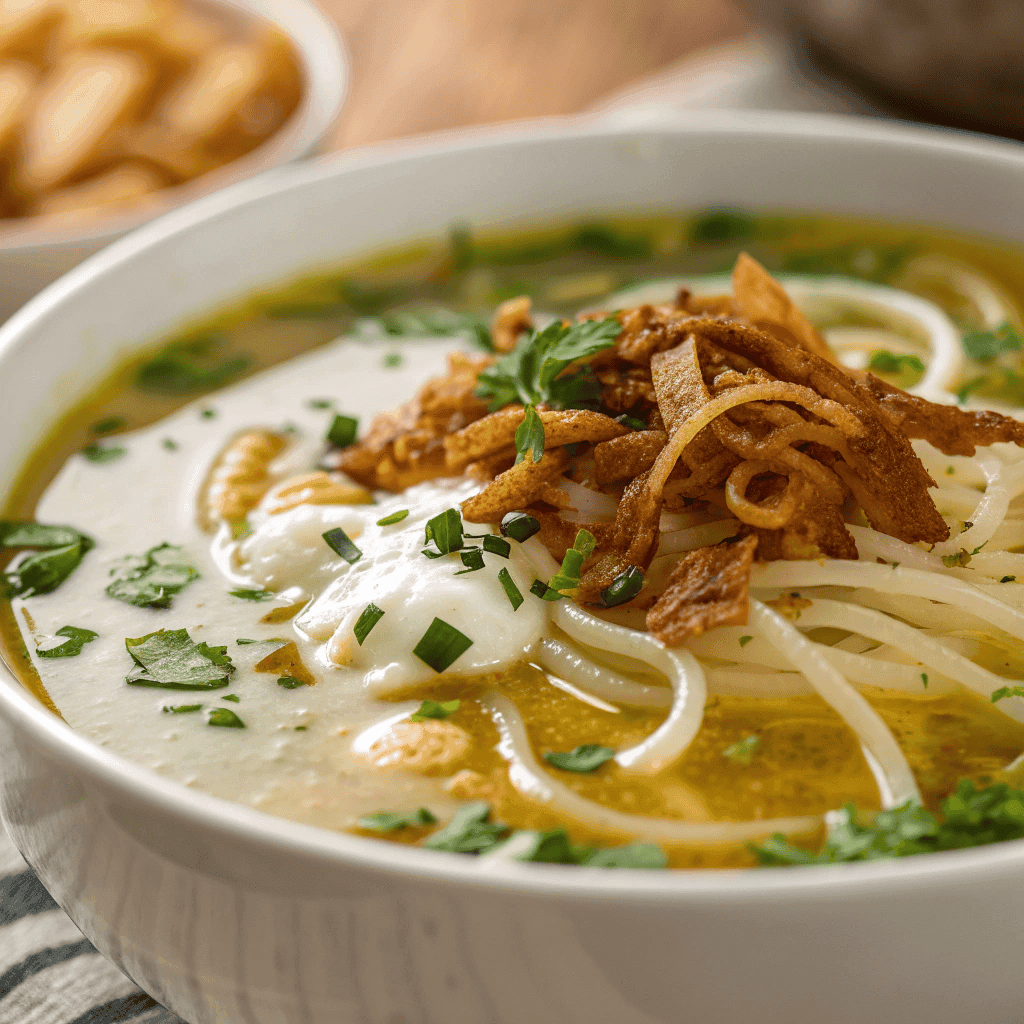
- Always sauté the turmeric—it unlocks deeper flavor and color.
- Use multiple beans for complexity; don’t skip the mix.
- Add noodles last to prevent overcooking.
- Fresh herbs should go in at the end to keep their aroma.
- Top each serving individually to keep garnishes crisp.
- Chill overnight before freezing for better texture later.
If you love recipes that celebrate regional warmth, you’ll also enjoy my Egyptian Beef Goulash, which brings the same earthy spices and comfort in a completely different form.
Serving suggestions
This soup is hearty enough to serve as a main course, but it pairs beautifully with simple sides.
- Serve with Garlic Parmesan Dinner Rolls for dipping.
- Add a drizzle of olive oil or yogurt swirl for contrast.
- Sprinkle with extra dill or mint before serving.
- Pair with a small cucumber and tomato salad for balance.
- Serve with lemon wedges for brightness.
It’s an incredibly adaptable dish—you can dress it up for company or enjoy it casually for a weekday meal.
Storing and reheating
This Persian Noodle Soup is even better the next day when the flavors meld beautifully.
How to store it
- Refrigerate in airtight containers for up to 5 days.
- Freeze in portions for up to 2 months.
- Let cool completely before sealing.
How to reheat it
- Reheat gently on the stove over low heat, adding broth if too thick.
- Microwave in short bursts, stirring between each.
- Avoid boiling after adding yogurt or sour cream—heat gently to prevent curdling.
Each reheated bowl tastes deeper and richer, almost like the soup grew wiser overnight.
Nutrition information (per serving)
Serving Size: 1 bowl | Calories: 280 | Sugar: 4g | Sodium: 520mg | Fat: 7g | Saturated Fat: 1g | Unsaturated Fat: 5g | Trans Fat: 0g | Carbohydrates: 42g | Fiber: 10g | Protein: 12g | Cholesterol: 0mg
Frequently asked questions
Can I use canned lentils and beans?
Yes! Canned lentils and beans save time. Just rinse them thoroughly to remove excess sodium before adding to the soup.
Can I make this soup gluten-free?
Absolutely. Substitute Persian noodles or linguine with gluten-free pasta or rice noodles.
What can I use instead of yogurt?
If you’re keeping it vegan, try coconut yogurt or cashew cream. Both add a creamy tang that complements the herbs beautifully.
Final thoughts
This Persian Noodle Soup is a story in a bowl—a tale of heritage, hospitality, and flavor. The earthy lentils, fragrant herbs, and chewy noodles create a comforting balance of textures and tastes that feels timeless.
I love serving it to family or friends on cool evenings—it’s simple, satisfying, and full of love. Dishes like this remind me that cooking is more than following a recipe; it’s about connection.
- Let the herbs shine—they’re the soul of the dish.
- Balance texture and flavor with care.
- Serve with generosity—it’s how every great Persian meal begins.
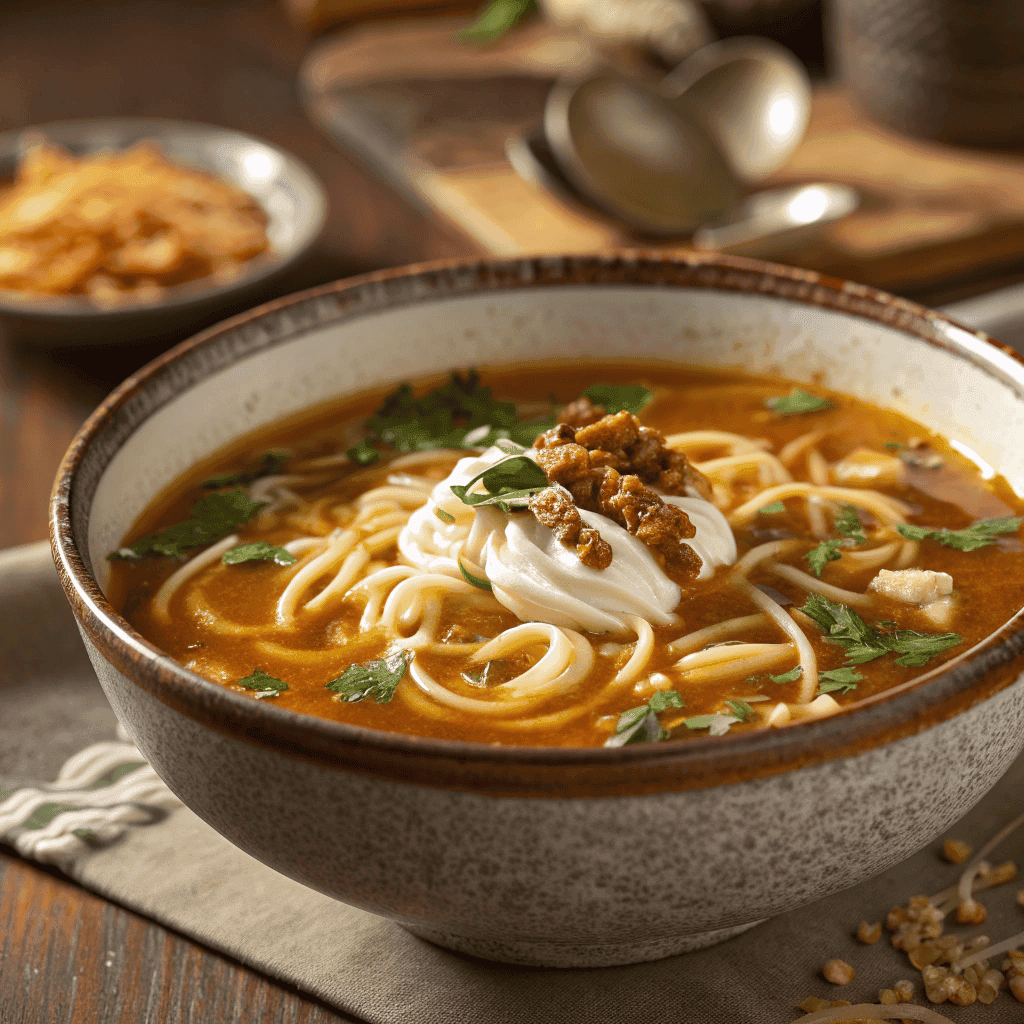

Persian Noodle Soup
Ingredients
Equipment
Method
- Heat olive oil in a large pot over medium heat. Add diced onion and sauté 5–6 minutes until golden and translucent.
- Add minced garlic and turmeric, stir and cook 1 minute until fragrant.
- Pour in vegetable broth and add the rinsed green (or brown) lentils. Bring to a simmer and cook about 20 minutes until lentils begin to soften.
- Add cooked chickpeas, navy beans, and kidney beans. Stir and simmer another 10 minutes to blend flavors.
- Break the Persian noodles (or linguine) in half and add to the pot. Simmer 8–10 minutes until noodles are tender but not mushy.
- Stir in chopped spinach, cilantro, parsley, and dill. Simmer 5 minutes until greens are wilted and aromatic.
- Season with salt and pepper to taste. For extra flavor, add a squeeze of lemon juice.
- Ladle soup into bowls. Top with a dollop of sour cream or vegan yogurt, sprinkle fried onions and extra herbs. Serve with lemon wedges if desired.
Nutrition
Notes
- This recipe is naturally vegan (or easily vegetarian).
- Times are based on the described sautéing and simmering steps; actual cook time may vary slightly depending on stove and pot.