Craving that classic, savory flavor of authentic Chinese takeout without leaving your kitchen? You’re in the right place! This easy recipe brings the beloved Panda Express Chow Mein straight to your home. Get ready for a delicious, quick meal that captures that iconic taste with minimal effort. It’s perfect as a hearty side dish or even a satisfying full meal.
Table of Contents
Why You’ll Love This Panda Express Chow Mein
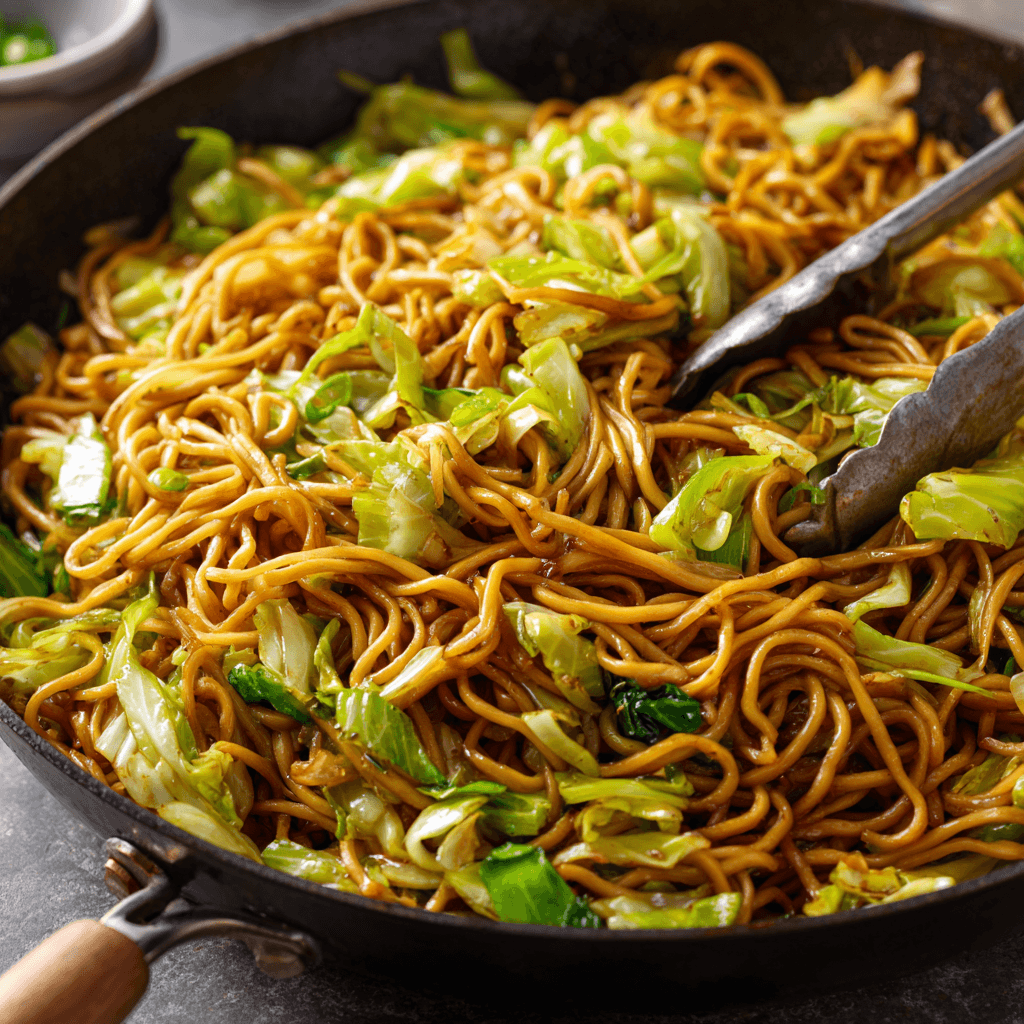
This homemade version of Panda Express Chow Mein will quickly become a family favorite. Here’s why:
- Authentic Takeout Flavor: Achieve that unmistakable savory and slightly sweet taste you adore from your favorite fast-casual restaurant.
- Quick and Easy: From start to finish, you can have this flavorful dish on your table in under 30 minutes, ideal for busy weeknights.
- Healthier and Budget-Friendly: Skip the drive-thru and enjoy a fresher, more economical version made with ingredients you control.
- Highly Customizable: Easily adjust vegetables, add protein, or tweak the sauce to fit your family’s preferences and dietary needs.
- Versatile Dish: Serve it as a delightful side dish to your favorite Asian entrees or transform it into a complete meal with added protein.
Ingredients
Gather these simple components to create our fantastic Panda Express Chow Mein recipe. You likely have most of these pantry staples already!
- ¼ cup soy sauce (opt for low sodium to control saltiness)
- 1 tablespoon brown sugar (light or dark works equally well)
- 2 cloves garlic, minced (freshly minced offers the best flavor)
- 1 teaspoon grated fresh ginger (use fresh for a vibrant zing)
- Ground black pepper, to taste (adds a subtle warmth)
- 2-3 tablespoons vegetable oil (or another high-heat oil like canola or grapeseed)
- 3 (5.6 ounce) packages Yakisoba noodles or Chinese Egg Noodles, (Found in the produce section of the grocery store. Usually, the 3 packages are sold together in one 17oz. pack)
- ⅔ cup celery, chopped diagonally (provides a wonderful crunch)
- 1 medium onion, thinly sliced (for savory sweetness)
- 2 cups chopped cabbage (fresh, crisp texture is key)
Notes & Substitutions
Noodles: While Yakisoba or fresh Chinese egg noodles are ideal for this chow mein, you can use lo mein noodles, dried ramen noodles (discard the flavor packet), or even thin spaghetti in a pinch. Prepare them according to package directions, but aim for al dente.
Veggies: Feel free to get creative with your vegetables. Shredded carrots, thinly sliced bell peppers, snow peas, or broccoli florets all make excellent additions. For an extra shortcut, use a pre-shredded coleslaw mix, which often includes cabbage and carrots.
Sauce Boosters: For an extra layer of umami, consider adding a teaspoon of oyster sauce to the sauce mixture. A dash of sesame oil at the end adds a lovely nutty aroma.
Spice Level: If you enjoy a bit of heat, mix in a pinch of red pepper flakes, a dash of sriracha, or a dollop of chili garlic sauce to the sauce or during the stir-fry step.
Gluten-Free: Easily adapt this recipe by swapping regular soy sauce for tamari or a gluten-free soy sauce alternative. Ensure you also use certified gluten-free noodles.
Protein Power: Turn this into a complete meal by adding your favorite cooked protein. Sliced chicken, pork, beef, shrimp, or even pan-fried tofu cubes integrate beautifully. Add cooked protein during the final stir-fry step.
Equipment
You won’t need many specialized tools to create this delicious homemade chow mein. Just a few kitchen essentials will do the trick:
- Large wok or deep skillet: Essential for stir-frying and ensuring all ingredients cook evenly and thoroughly.
- Small mixing bowl: Perfect for whisking together your flavorful sauce ingredients.
- Whisk: To ensure your sauce is fully combined and smooth before adding it to the noodles.
- Colander: For draining your cooked or rinsed noodles efficiently.
Instructions For Panda Express Chow Mein
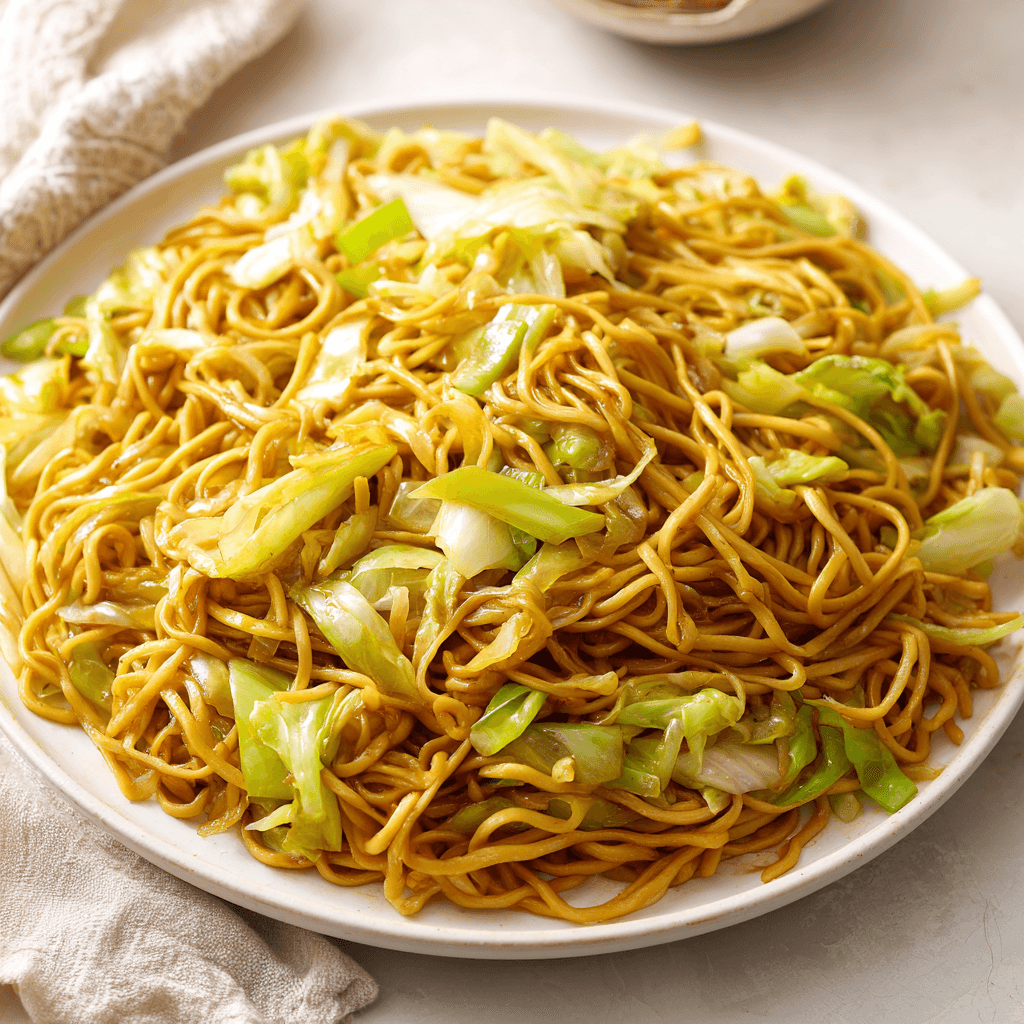
Follow these simple steps to prepare your very own delicious Panda Express Chow Mein. You’ll be amazed at how quickly this comes together!
Step 1: Make the Sauce
- In a small bowl, combine the soy sauce, brown sugar, minced garlic, grated fresh ginger, and a generous pinch of ground black pepper. Whisk these ingredients thoroughly until the brown sugar has dissolved and everything is well combined. Set this flavorful sauce mixture aside; it will be ready when you need it later.
Step 2: Prepare the Noodles
- Carefully remove the yakisoba noodles from their packages. Discard any included flavoring packets, as you won’t need them for this recipe. Place the noodles in a colander and rinse them well under cold running water. This helps to separate the strands and removes any excess starch. Drain the noodles completely, ensuring no residual water remains, then set them aside.
Step 3: Sauté Vegetables
- Heat 2 to 3 tablespoons of vegetable oil in your large wok or deep skillet over medium heat. Once the oil shimmers, add the chopped celery and thinly sliced onion to the hot pan. Sauté these aromatics for about 1 to 2 minutes, stirring frequently, until the onions begin to soften and turn translucent. Next, stir in the chopped cabbage and continue to sauté for an additional minute, allowing the cabbage to slightly wilt but still retain some crispness.
Step 4: Combine & Stir-Fry
- Add the prepared noodles directly into the wok with the sautéed vegetables. Pour the reserved soy sauce mixture evenly over the noodles and vegetables. Increase the heat to medium-high. Using tongs or spatulas, stir-fry everything vigorously for an additional 2 to 3 minutes.
- Toss continuously to ensure the noodles are heated through and thoroughly coated with the delicious sauce. Once hot and well-coated, your homemade chow mein is ready. Serve immediately and enjoy!
Pro Tips & Troubleshooting
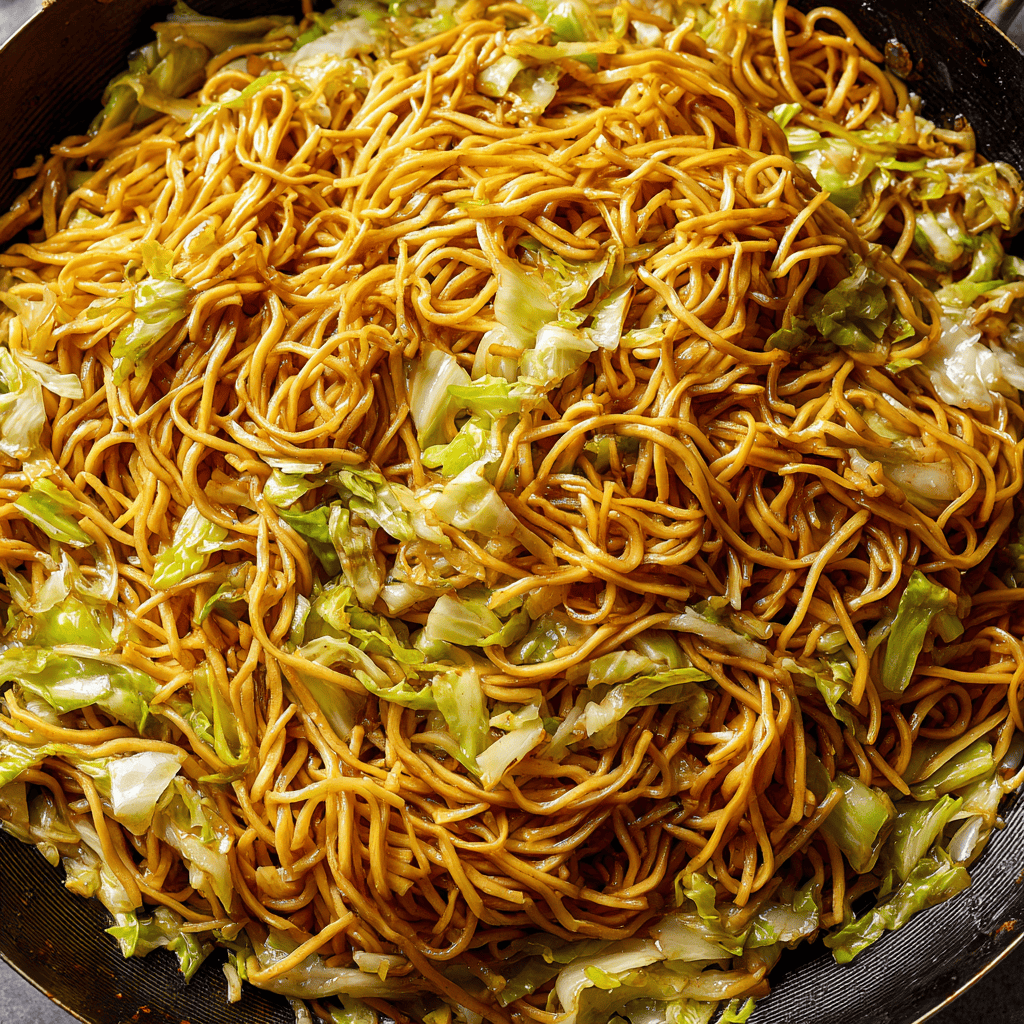
Achieving perfect homemade chow mein is easy with these simple tips:
- Use a large wok or deep skillet: This provides ample space for stir-frying, ensuring ingredients cook evenly without steaming.
- Do not overcook the noodles: Follow package directions, aiming for al dente. Overcooked noodles can become mushy in the stir-fry.
- Prep all ingredients beforehand: Stir-frying is fast, so have all your vegetables chopped and your sauce mixed before you start cooking. This is called “mise en place.”
- Add a drizzle of sesame oil last: A small dash of toasted sesame oil just before serving adds an authentic, aromatic finish.
- Keep vegetables crisp-tender: Don’t overcook your veggies; they should still have a slight bite for best texture.
- Adjust noodles for a lo mein style: If you prefer a saucier lo mein, cook the noodles until fully tender and increase the sauce quantity slightly.
Serving Suggestions & Variations
This versatile chow mein recipe makes a fantastic accompaniment to almost any Asian-inspired meal.
Serve your delicious homemade chow mein alongside other popular takeout favorites. It pairs perfectly with General Tso’s Chicken, Bang Bang Shrimp, or a rich Mongolian Beef. You can also enjoy it with a lighter Crockpot Cashew Chicken or Fresh Spring Rolls for a balanced meal.
For a heartier dinner, complement this chow mein with Steak Fried Rice. To make it a complete meal on its own, simply add your favorite cooked protein like chicken, pork, beef, shrimp, or tofu during the final stir-fry step.
Storage & Reheating
Make Ahead: You can prepare the vegetables (chop and store in an airtight container) and mix the sauce up to one day in advance. Store them separately in the refrigerator. This cuts down on prep time significantly when you’re ready to cook.
Storage: Allow any leftover chow mein to cool completely after cooking. Transfer it to an airtight container and store it in the refrigerator. It will keep well for 4 to 5 days, making it perfect for meal prepping.
Reheating: For best results, reheat chow mein on the stovetop in a skillet over medium heat, adding a splash of water or a tiny bit more soy sauce to prevent drying out. You can also reheat it in the microwave in short bursts, stirring occasionally, or in the oven at a low temperature until warmed through.
Nutrition Information
This nutrition information is an approximation and can vary based on specific ingredient brands and preparation methods. It provides a general idea of the nutritional value per serving for this homemade chow mein.
| Nutrient | Amount |
|---|---|
| Calories | 169 kcal |
| Carbohydrates | 26 g |
| Protein | 5 g |
| Fat | 5 g |
| Saturated Fat | 4 g |
| Sodium | 556 mg |
| Potassium | 175 mg |
| Fiber | 2 g |
| Sugar | 5 g |
| Vitamin A | 73 IU |
| Vitamin C | 11 mg |
| Calcium | 27 mg |
| Iron | 1 mg |
Frequently Asked Questions (FAQ)
Is Panda Express Chow Mein the same as lo mein?
No, they are similar but different. Chow mein typically features stir-fried noodles with a lighter sauce, while lo mein noodles are usually boiled until tender and then tossed with a heavier, often thicker sauce. The Food Network provides further insight into the differences between chow mein and lo mein.
Can I make this recipe more like lo mein?
Absolutely! For a lo mein-style dish, boil your noodles separately until fully tender. You might also want to double the sauce quantity for a richer coating, then toss everything together off the heat after sautéing the vegetables.
What kind of noodles should I use?
Fresh yakisoba or Chinese egg noodles, often found in the refrigerated produce section, work best for an authentic Panda Express Chow Mein texture. Dried ramen noodles (without the flavor packet) or even thin spaghetti are good alternatives.
Conclusion
You now have the secret to recreating that irresistible, savory Panda Express Chow Mein right in your own kitchen! This recipe proves that homemade can be just as delicious, and often even better, than your favorite takeout. It’s incredibly easy to make, remarkably quick, and perfect for any meal.
Give this simple, beginner-friendly chow mein recipe a try and impress your family and friends. We would love to hear your thoughts – please rate and review the recipe!
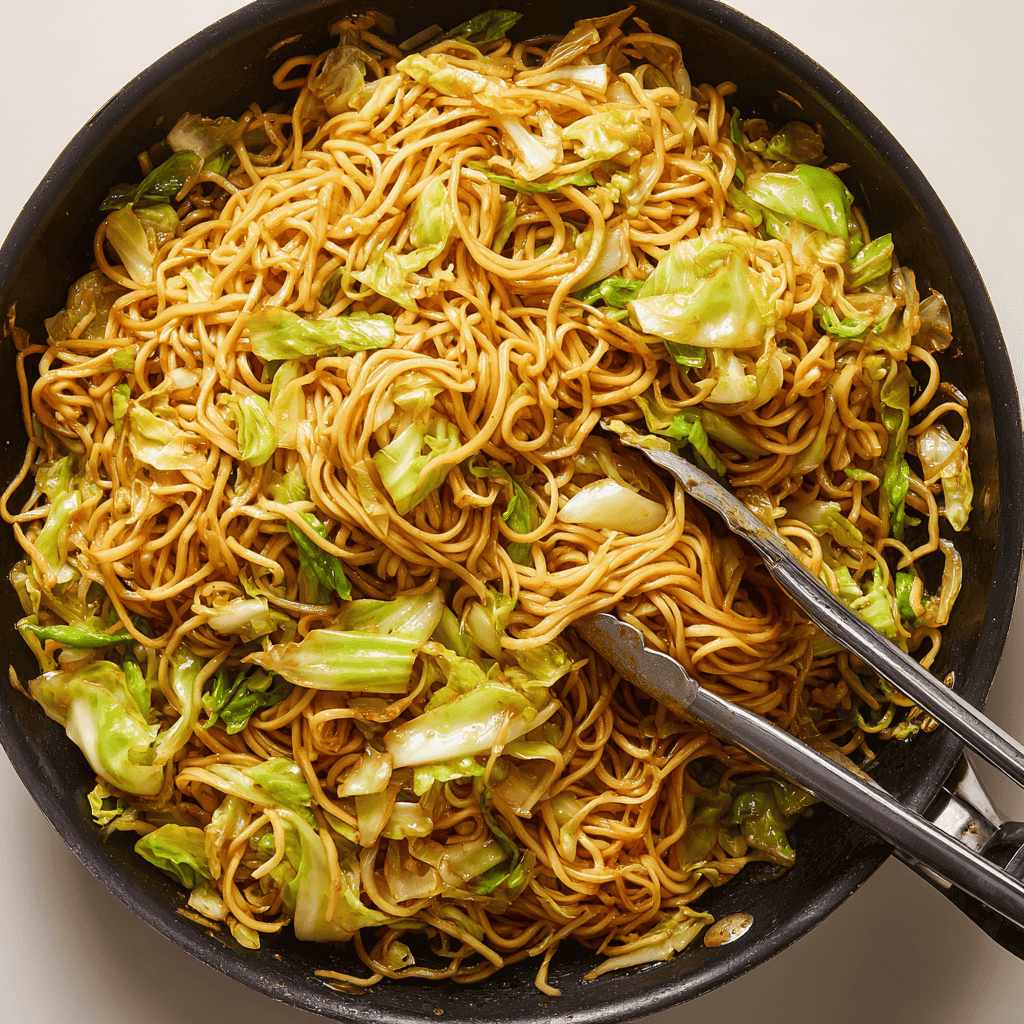

Panda Express Chow Mein
Ingredients
Equipment
Method
- In a small bowl, whisk together soy sauce, brown sugar, garlic, ginger, and black pepper. Set aside.
- Rinse yakisoba noodles under cold water to separate strands. Drain well and set aside.
- Heat oil in a large wok or deep skillet over medium heat. Add celery and onion; sauté 1–2 minutes. Add cabbage and cook 1 minute more.
- Add noodles to the pan with vegetables. Pour sauce over top. Increase heat to medium-high and stir-fry for 2–3 minutes until heated through and evenly coated. Serve immediately.