
Few dishes are as comforting or iconic as Cacio e Pepe—a Roman classic that proves simplicity can be pure magic. Just cheese, pasta, pepper, and a little pasta water come together to create a silky sauce that clings to every strand of spaghetti. It’s creamy without cream, flavorful without fuss, and timelessly satisfying.
Table of Contents
Why You’ll Love This Cacio e Pepe
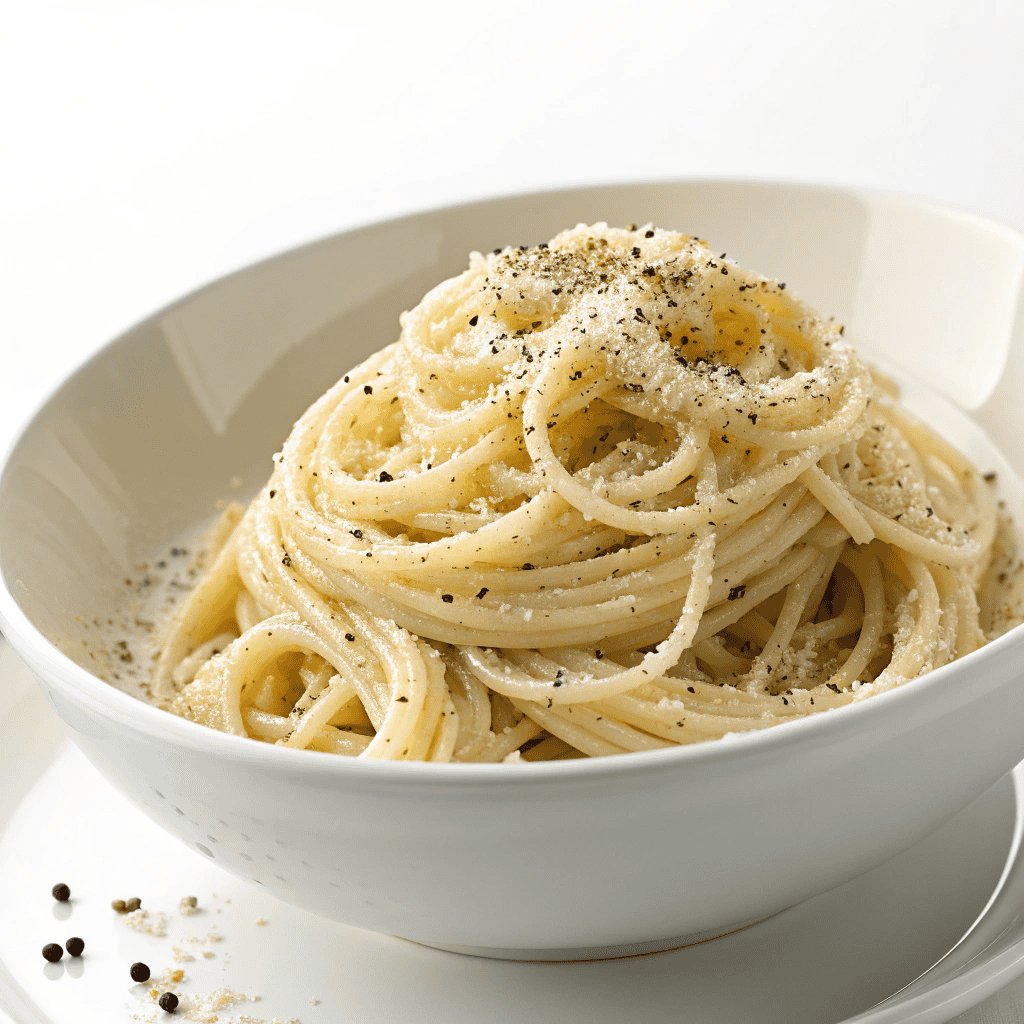
Cacio e Pepe is the kind of meal that makes you fall in love with Italian cooking all over again.
- Only 4 ingredients—simple, real, and pantry-friendly
- Quick and ready in under 20 minutes
- Creamy sauce without any cream or butter
- Rich, salty cheese flavor balanced by pepper heat
- Elegant enough for guests, easy enough for weeknights
- A true taste of Rome in your kitchen
I still remember making this dish for the first time after a trip to a food festival in Austin. A chef from Rome stood at a tiny booth, stirring pasta and Pecorino like it was second nature.
He told me, “Jake, you just have to respect the water.” I took that to heart—and ever since, my version of Cacio e Pepe has been a family favorite when we want something comforting, quick, and a little special.
Ingredients You’ll Need
This dish may look simple, but every ingredient matters. Use good quality cheese, fresh pepper, and take your time emulsifying that sauce.
Main Ingredients
- 400g spaghetti or tonnarelli – the traditional pasta choice
- 150g Pecorino Romano cheese, finely grated – sharp and salty, the key to flavor
- 2 teaspoons freshly cracked black pepper – aromatic and bold
- Salt – for the boiling water only
Optional Add-Ons or Substitutes
- Use Parmesan if Pecorino is too strong
- Add a touch of butter for extra richness (not traditional, but delicious)
- Toss in a handful of fresh parsley for color
- Mix tonnarelli with a splash of linguine for texture
- Sprinkle toasted breadcrumbs on top for crunch
- Add crushed chili flakes if you love a little heat
Step-by-Step Instructions
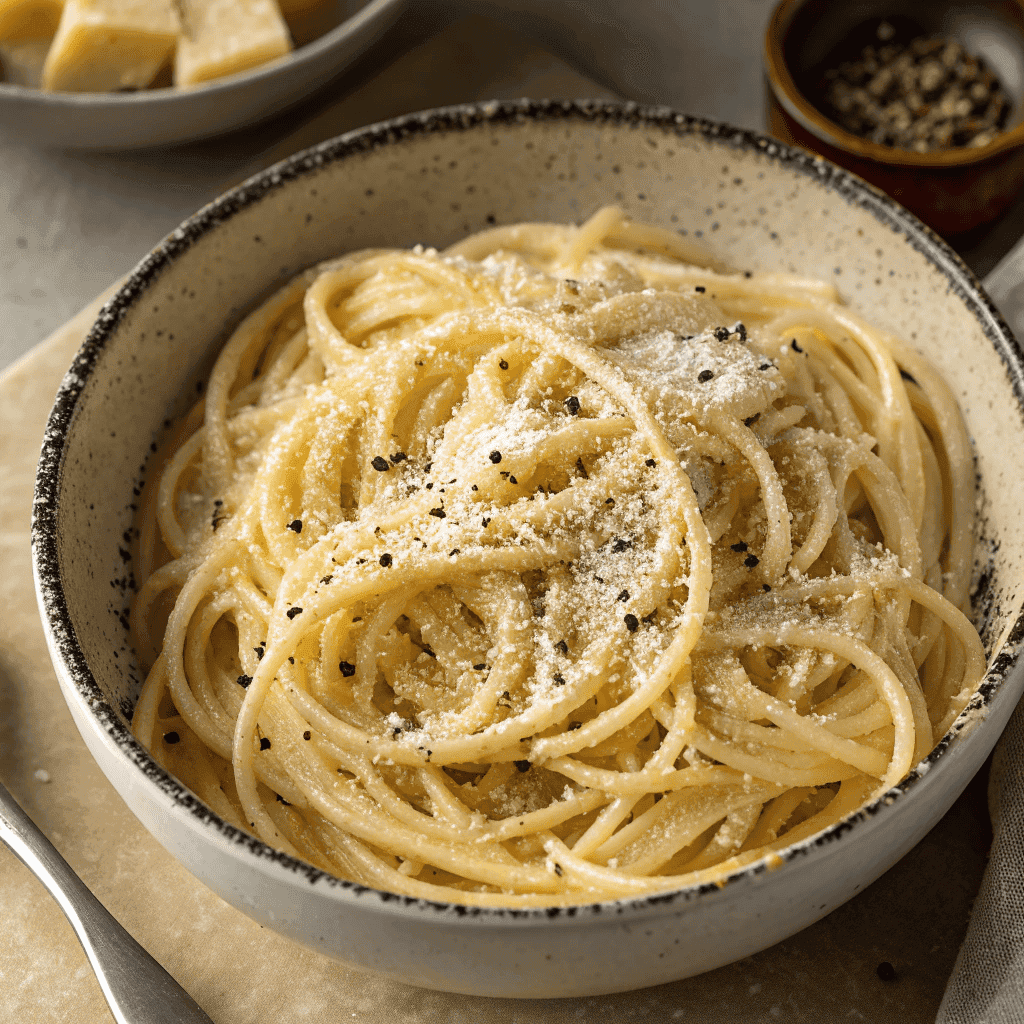
Jake’s note: Don’t rush it. The magic of Cacio e Pepe is in the emulsion. Your pasta water becomes your sauce base—it’s where the cheese and pepper come alive.
- Boil the Pasta
Bring a large pot of salted water to a boil. Add pasta and cook until just shy of al dente. Reserve 1 ½ cups of pasta water before draining. - Toast the Pepper
In a large skillet, toast the cracked black pepper for 1–2 minutes until fragrant. Add a splash (about ½ cup) of the reserved pasta water to the pan. - Create the Sauce Base
Reduce the heat to low. Add half of the grated Pecorino Romano and stir to form a creamy paste. Slowly whisk in more hot pasta water until the sauce is smooth and glossy. - Combine with Pasta
Add the cooked pasta to the skillet and toss vigorously with tongs, adding more cheese and water as needed until the sauce clings to every strand. - Serve Immediately
Plate the pasta, crack a little more black pepper on top, and finish with a sprinkle of cheese.
Quick Reminders:
- Always use finely grated cheese—it melts evenly.
- Don’t add cheese over direct high heat—it will clump.
- Use freshly cracked black pepper for the best flavor.
- Work quickly once the pasta hits the sauce.
Expert Tips for Success
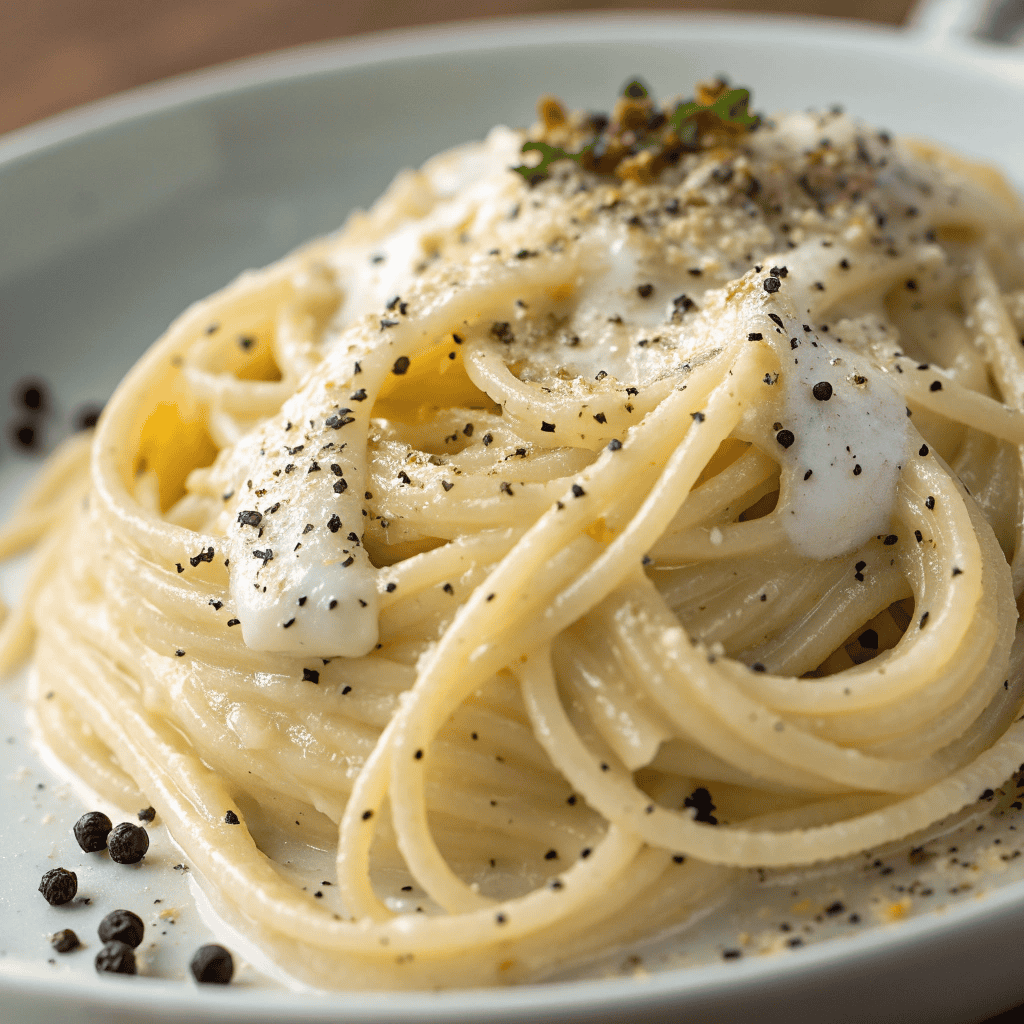
Cacio e Pepe is all about technique, not complexity. Once you get the hang of it, you’ll never forget it.
- Use starchy pasta water—it’s what makes the sauce creamy.
- Stir constantly to help the cheese melt smoothly.
- Don’t over-salt the water—Pecorino adds plenty.
- Use a fork and tongs to mix for perfect coating.
- Let the cheese come to room temperature before using.
- Keep a little extra pasta water handy in case the sauce thickens.
If you enjoy authentic Italian comfort like this, try my Pasta alla Sorrentina for a cheesy tomato twist, or the savory Miso Pasta for a fusion umami kick.
Serving Suggestions
Cacio e Pepe is elegant simplicity on a plate—it’s best served immediately while the sauce is silky and hot.
- Garnish with extra cheese and cracked pepper
- Pair with a crisp green salad and olive oil dressing
- Add roasted vegetables like asparagus or mushrooms
- Serve alongside grilled chicken or fish for a full meal
- Enjoy with crusty Italian bread to soak up the sauce
This dish stands on its own, but it pairs beautifully with other Italian favorites for a full spread. For summer gatherings, my Italian Pasta Salad keeps things fresh and light, while Calabrian Chili Pappardelle brings just the right amount of heat for spice lovers.
Storing and Reheating
Cacio e Pepe is best eaten fresh, but you can still enjoy leftovers.
How to Store It
- Refrigerate leftovers in an airtight container for up to 2 days
- Add a touch of olive oil before storing to prevent clumping
- Avoid freezing—cheese-based sauces lose texture
How to Reheat It
- Reheat gently in a skillet with a splash of hot water
- Toss until creamy again—avoid microwaving if possible
- Sprinkle a bit more Pecorino before serving to refresh flavor
It won’t be quite as silky as fresh, but it’ll still be delicious.
Nutrition Information
- Serving Size: 1 bowl
- Calories: 450 kcal
- Fat: 20 g
- Protein: 18 g
- Carbohydrates: 45 g
- Fiber: 2 g
- Sodium: 420 mg
- Calcium: 310 mg
Frequently Asked Questions
Can I use Parmesan instead of Pecorino Romano?
Yes—Parmesan gives a milder, nuttier flavor, though Pecorino is more traditional.
Why did my cheese clump?
The sauce was likely too hot. Always remove the pan from heat before adding cheese.
Can I make this ahead?
It’s best fresh, but you can prep grated cheese and cracked pepper ahead of time.
Final Thoughts
Cacio e Pepe is the soul of Italian simplicity—a few ingredients transformed into something unforgettable. It’s proof that when you cook with heart, the simplest things can taste extraordinary. When I make this for my family, it always reminds me that food doesn’t have to be complicated to be special.
- Respect the simplicity
- Use the best cheese you can find
- Let the pasta water work its magic
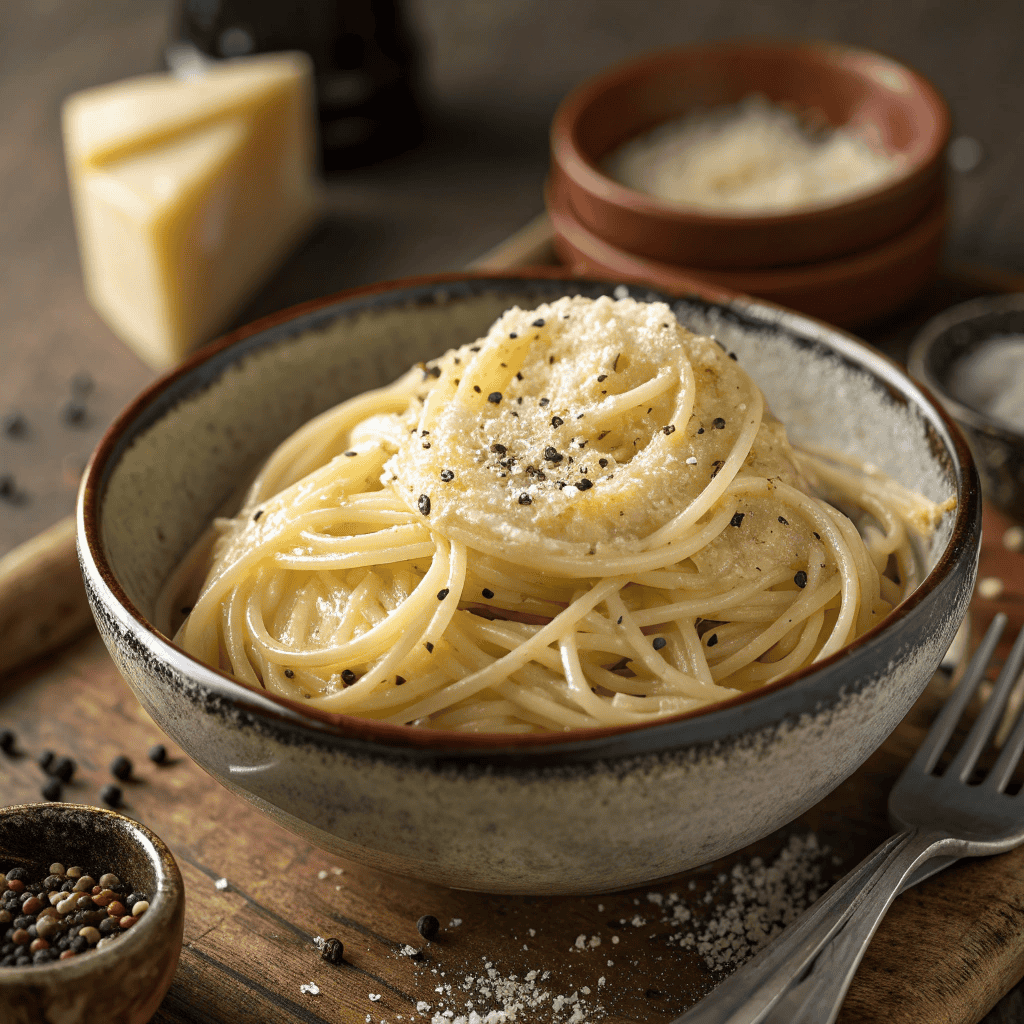

Cacio e Pepe
Ingredients
Equipment
Method
- Bring a large pot of salted water to a boil. Add pasta and cook until just shy of al dente. Reserve 1 ½ cups of pasta water before draining.
- In a large skillet, toast the cracked black pepper for 1–2 minutes until fragrant. Add about ½ cup of the reserved pasta water to the pan.
- Reduce heat to low. Add half of the grated Pecorino Romano and stir to form a creamy paste. Slowly whisk in more hot pasta water until smooth and glossy.
- Add cooked pasta to the skillet. Toss vigorously, adding more cheese and pasta water as needed until sauce coats every strand.
- Plate the pasta and finish with more black pepper and a sprinkle of cheese. Serve immediately.
Nutrition
Notes
- Use finely grated cheese and freshly cracked pepper for best results.
- Don’t overheat when adding cheese or it will clump.