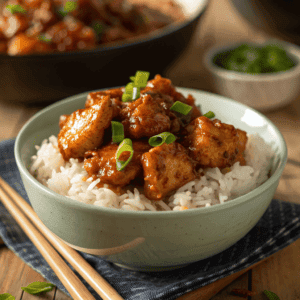
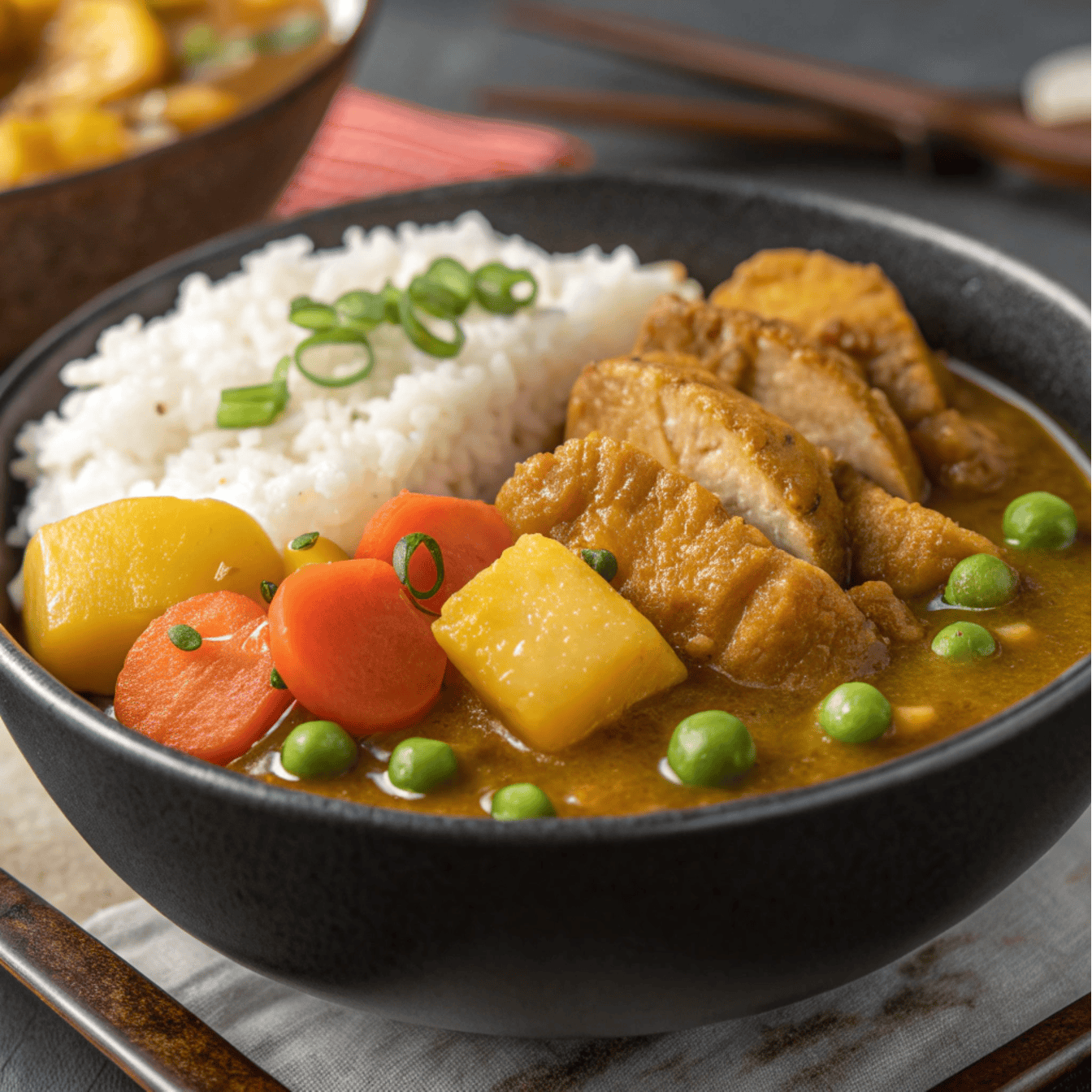
There’s nothing quite like the comfort of a steaming plate of Japanese Curry on Rice. It’s savory, slightly sweet, and full of cozy flavors that make every bite feel like home.
Tender beef, soft potatoes, and carrots simmer in a golden curry sauce that thickens perfectly to coat every grain of rice. Whether it’s a weeknight dinner or a rainy weekend meal, this curry brings warmth straight to your table.
Table of Contents
Why You’ll Love This Japanese Curry on Rice
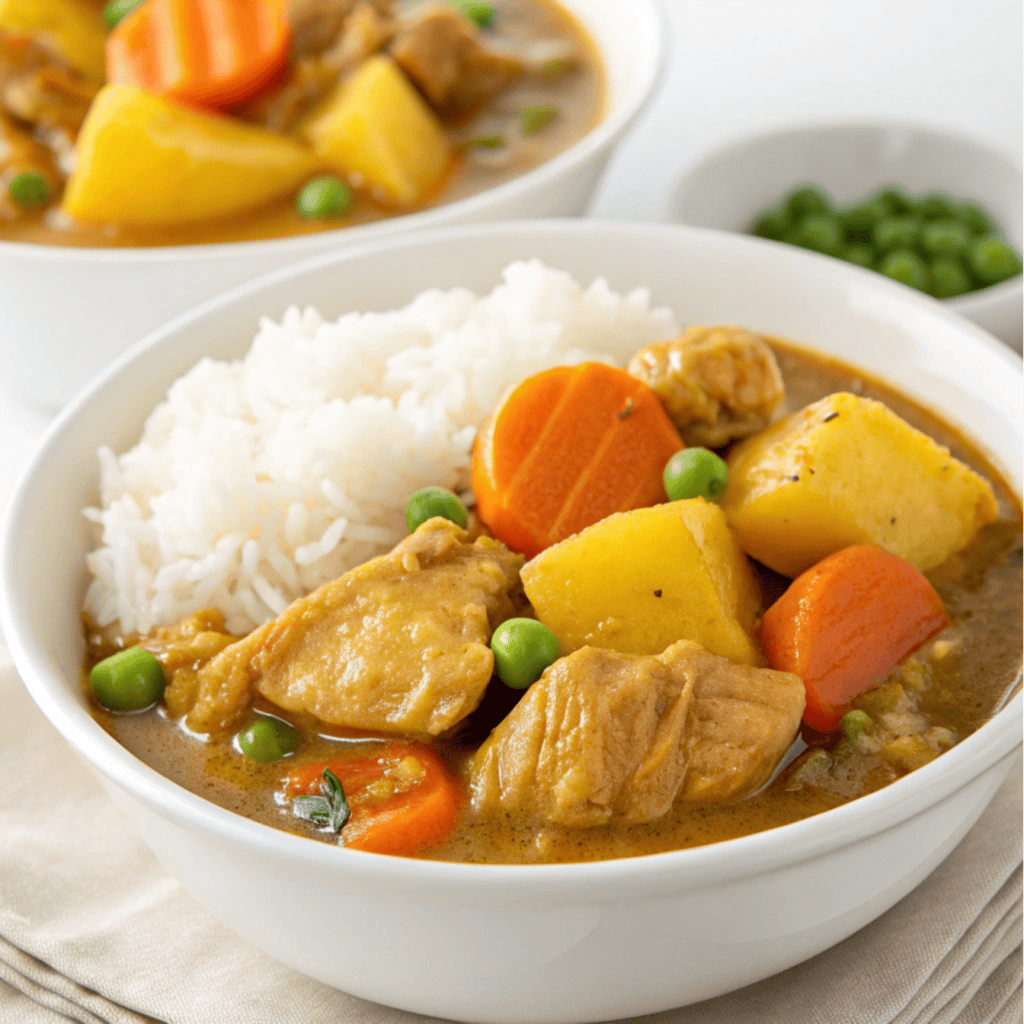
Japanese curry is smoother and sweeter than most curries, and its mild spice and velvety texture make it loved by everyone — even picky eaters.
- One-pot comfort meal perfect for weeknights
- Creamy and savory with a subtle sweetness
- Family-friendly, cozy, and customizable
- Perfectly thick curry sauce coats every grain of rice
- Great for leftovers — flavors deepen overnight
- Quick prep, big flavor
I first had Japanese curry during a layover in Tokyo years ago. After a long day of travel, I stumbled into a small diner that served beef curry over rice — steaming, rich, and impossibly comforting. When I came home to Texas, I set out to recreate that same warmth for my family. Now, this dish is a weeknight favorite in our house — it’s comfort in a bowl, no matter how far you are from home.
Ingredients You’ll Need
Each ingredient plays its part in building a curry that’s balanced, hearty, and satisfying.
Main Ingredients:
- 2 large onions – sliced thin for natural sweetness
- 2 medium carrots – peeled and cut into chunks
- 3 Yukon gold potatoes – peeled and diced
- 2 garlic cloves – minced
- 1 tablespoon butter – adds richness and depth
- 5 cups water or stock – base for simmering
- 1 lb cubed beef (or chicken, pork, or tofu) – tender and flavorful
- 8 oz Japanese curry roux – store-bought cubes like Golden Curry or Vermont Curry
Optional Flavor Enhancers:
- 1 tablespoon Worcestershire sauce – adds umami depth
- 1 tablespoon ketchup – boosts sweetness and tomato balance
- 1 tablespoon honey – rounds out the spice
- 1 red apple, grated – the secret ingredient for authentic Japanese curry sweetness
For Serving:
- 8 cups cooked medium-grain white rice – fluffy base that soaks up the sauce
Optional Add-Ons or Substitutes:
- Swap beef for chicken thighs for a lighter curry
- Use vegetable broth for a vegetarian twist
- Add peas, mushrooms, or zucchini for more texture
- Top with a fried egg for richness
- Sprinkle Japanese pickles (fukujinzuke) for tangy contrast
Step-by-Step Instructions
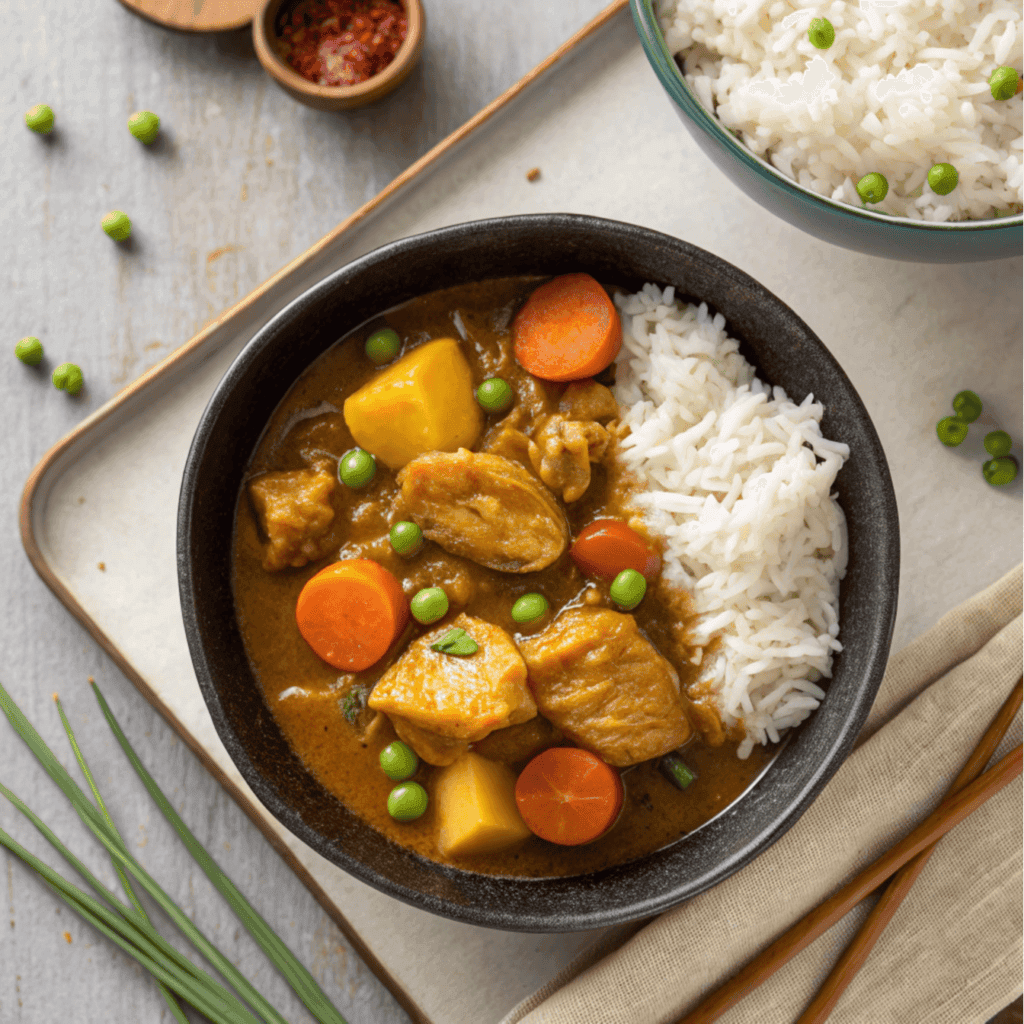
Japanese Curry is all about layering sweet, savory, and umami flavors — a few careful steps bring out that signature flavor.
- Sauté the Base: In a large pot, melt butter over medium heat. Add sliced onions and cook until golden brown and caramelized, about 10 minutes. (Jake’s tip: Don’t rush this step — slow-cooked onions make the curry’s flavor deep and rich.)
- Add Garlic and Meat: Stir in garlic and cubed beef. Sear until browned on all sides.
- Add Vegetables: Toss in carrots and potatoes, stirring for a couple of minutes.
- Pour in Liquid: Add water or stock, then bring to a boil. Reduce to a simmer and cook for 20–25 minutes, until beef and vegetables are tender.
- Add Curry Roux: Break curry roux blocks into smaller pieces and stir until melted.
- Enhance Flavor: Mix in Worcestershire sauce, ketchup, honey, and grated apple for extra depth. (Jake’s insight: That apple is the secret — it gives the sauce its mellow sweetness.)
- Simmer and Thicken: Simmer uncovered for another 10 minutes, stirring often until thickened.
- Serve: Spoon over hot rice and top with fresh parsley or pickles.
Quick Reminders:
- Always add the roux after the vegetables soften — it prevents lumps.
- Taste at the end; balance salt, sweetness, and spice.
- Use a wooden spoon to avoid scratching your pot.
- Let the curry rest 5 minutes before serving — it thickens beautifully.
Expert Tips for Success
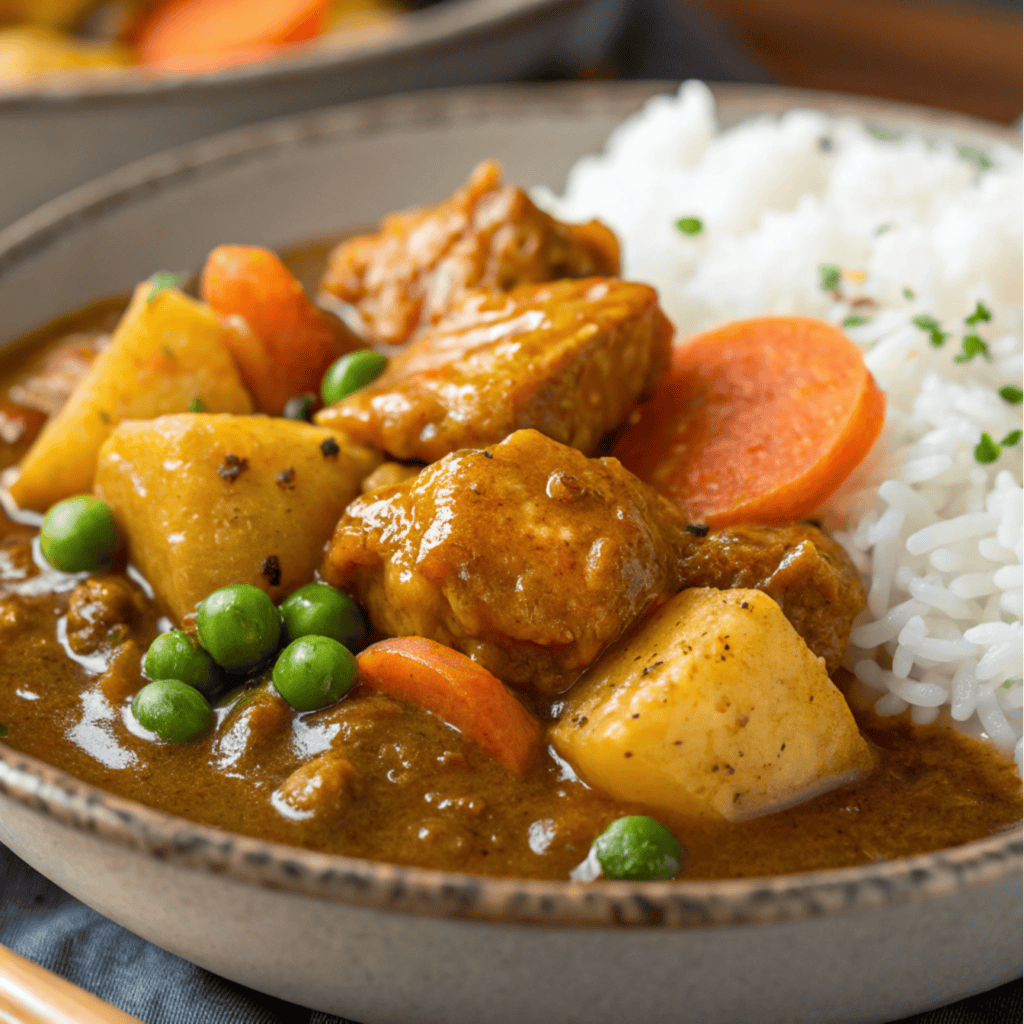
Japanese curry rewards patience and balance. These small tweaks make a big difference.
- Brown the onions deeply for restaurant-quality flavor.
- Use good-quality curry roux — it’s the heart of the dish.
- Simmer gently; boiling too hard can break down potatoes.
- Add a splash of soy sauce or dashi for umami depth.
- Make extra — it’s even better the next day.
- For a silky sauce, mash a few potatoes near the end of cooking.
- Serve with Japanese pickles for color and brightness.
If you enjoy cozy rice bowls like this, you’ll love my Honey Lime Chicken Rice Bowls or the warm comfort of my Ramen Bowl with Soft-Boiled Eggs. Both deliver that same balance of flavor and comfort.
Serving Suggestions
This curry pairs perfectly with soft rice and simple sides.
- Serve over hot, fluffy white rice
- Add a side of steamed broccoli or green beans
- Garnish with red pickled ginger or fresh scallions
- Pair with Garlic Parmesan Dinner Rolls for dipping
- Serve with miso soup for a complete Japanese-style meal
- Add a crispy pork katsu on top for a classic “Katsu Curry” twist
It’s hearty enough for dinner but simple enough to meal prep for the week.
Storing and Reheating
Japanese Curry on Rice keeps its rich flavor for days — maybe even gets better.
How to Store It:
- Let the curry cool before storing.
- Refrigerate in airtight containers for up to 4 days.
- Freeze in portions up to 2 months.
- Keep rice stored separately for best texture.
How to Reheat It:
- Reheat on the stovetop over low heat.
- Add a splash of water or stock to loosen the sauce.
- Microwave individual portions for 1–2 minutes, stirring halfway.
- Garnish again with herbs or pickles before serving.
The flavor actually improves overnight — perfect for leftovers or lunch boxes.
Nutrition (Per Serving):
Calories: 427 kcal | Carbohydrates: 69g | Protein: 18g | Fat: 8g | Saturated Fat: 4g | Polyunsaturated Fat: 0.5g | Monounsaturated Fat: 3g | Cholesterol: 45mg | Sodium: 116mg | Potassium: 722mg | Fiber: 4g | Sugar: 8g | Vitamin A: 2617IU | Vitamin C: 20mg | Calcium: 60mg | Iron: 2mg
Frequently Asked Questions
What’s the difference between Japanese curry and Indian curry?
Japanese curry is milder, thicker, and slightly sweeter — it’s more of a stew consistency than a spiced sauce.
Can I make it vegetarian?
Absolutely. Swap beef for tofu or mushrooms and use vegetable stock instead of beef stock.
Can I use instant curry roux?
Yes! Store-bought Japanese curry cubes make it quick and foolproof.
Final Thoughts
Japanese Curry on Rice is the definition of home-style comfort food — simple ingredients, deep flavor, and a sauce that hugs every grain of rice. It’s one of those dishes that makes the whole house smell like warmth and care.
- Take time with the onions — it’s worth it.
- Use a touch of apple or honey for balance.
- Serve hot, over rice, and share it with people you love.
From my Texas kitchen to yours, this Japanese Curry brings together comfort, tradition, and a little magic in every bowl.

Japanese Curry on Rice
Ingredients
Equipment
Method
- In a large pot, melt butter over medium heat. Add sliced onions and cook for 10 minutes until golden and caramelized.
- Add minced garlic and cubed beef. Sear until browned on all sides.
- Add carrots and potatoes, stirring for a couple of minutes.
- Pour in water or stock. Bring to a boil, then reduce heat and simmer for 25 minutes, or until meat and vegetables are tender.
- Add curry roux cubes, stirring until melted and well mixed.
- Stir in Worcestershire sauce, ketchup, honey, and grated apple. Simmer uncovered for 10 minutes until thickened.
- Serve hot over cooked rice. Garnish with parsley or Japanese pickles if desired.
Nutrition
Notes
- Curry roux cubes used for ease; grated apple adds signature sweetness.
- Vegetarian option suggested by using tofu and vegetable stock.